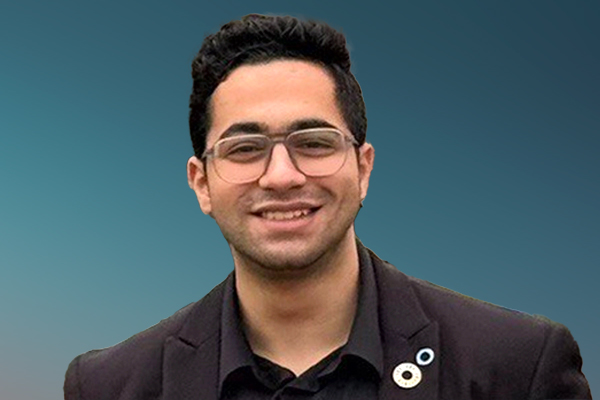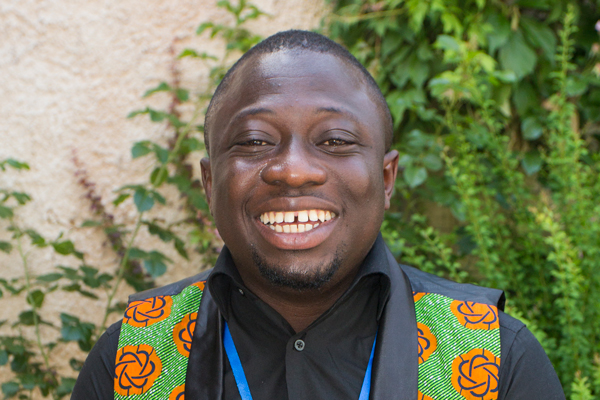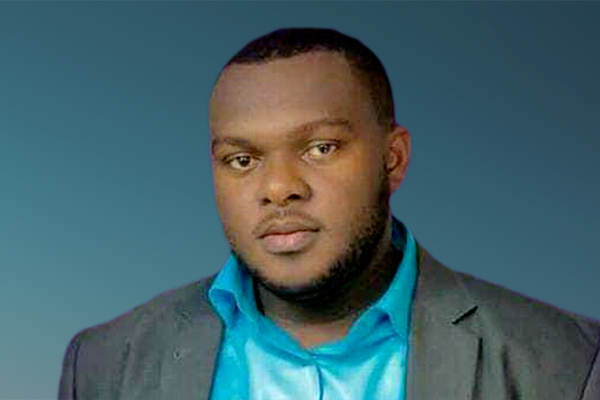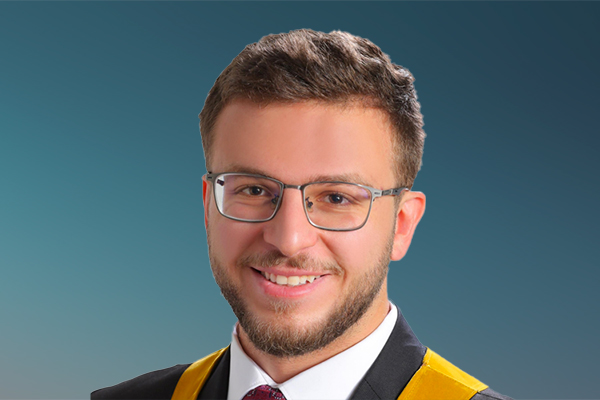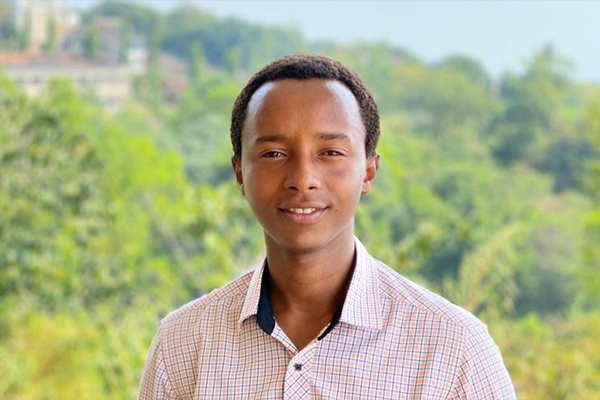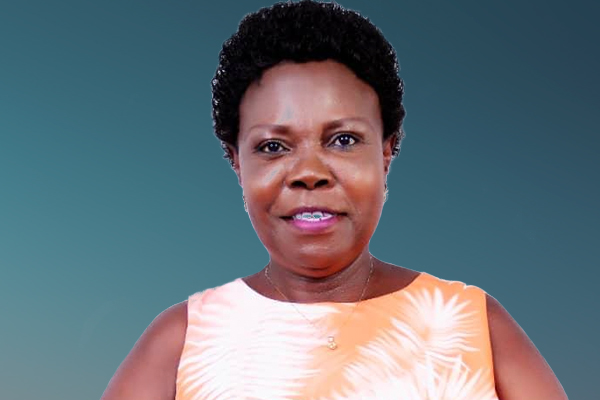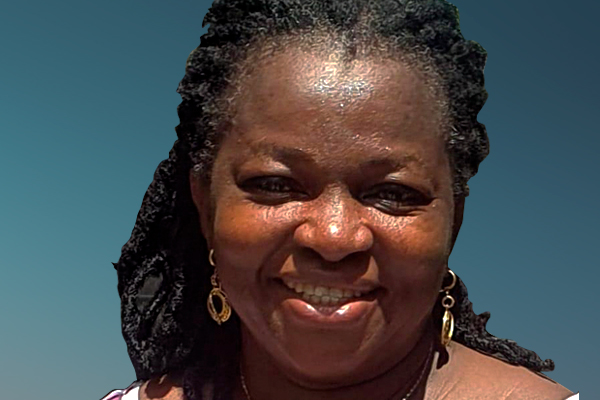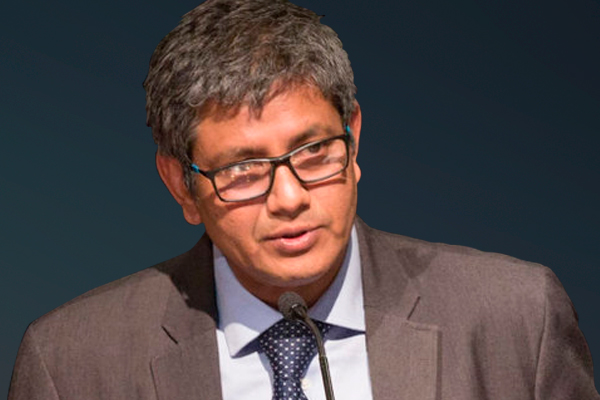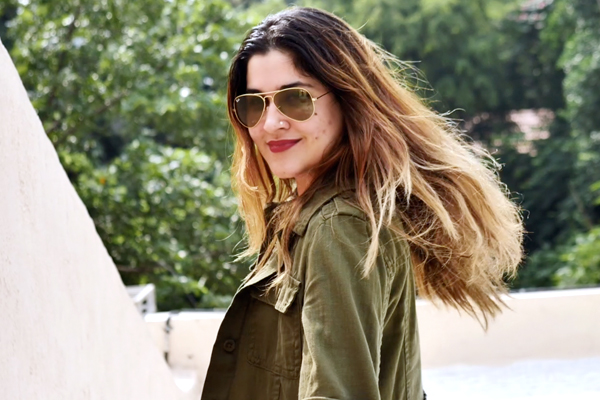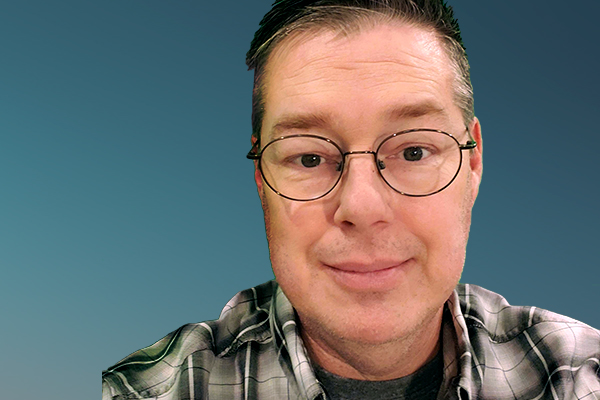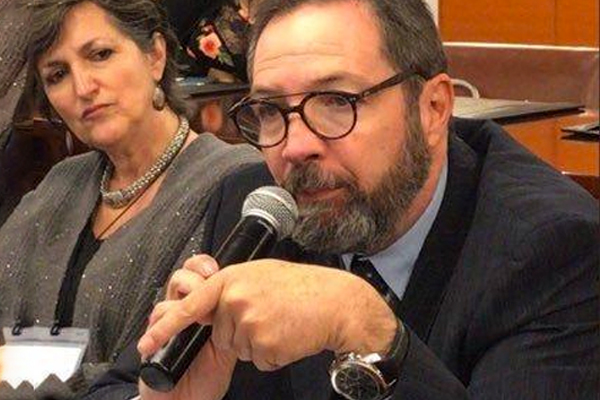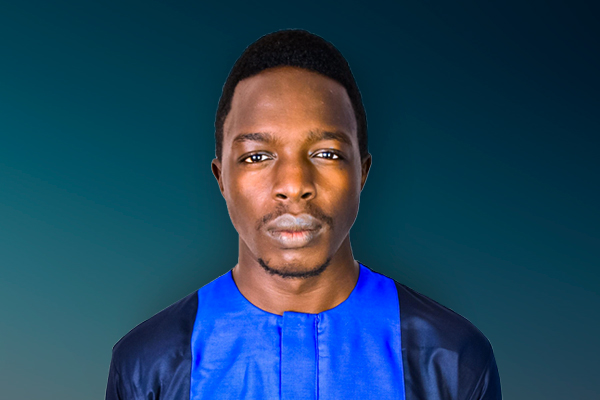
My name is Mohammed Seyam, and I’m from Gaza, Palestine. I’ve lived with type 1 diabetes for over 14 years — most of that time in a region marked by conflict and instability, where accessing even the most basic care could become a daily struggle. In recent years, I’ve also had the chance to live and work in London, where managing diabetes is more supported, stable, and often taken for granted.
This unique journey—across two very different worlds of diabetes care—has given me a deep sense of responsibility. I'm sharing my story because I know what it means to feel forgotten, and I want to help make sure no one living with an NCD is left behind, no matter where they are.

25 July 2025
Survival as a daily act of resistance
What does it mean to live with diabetes in a place where survival is a daily act of resilience?
In the first episode of my #NCDDiary, I share my personal journey from Gaza to London—two worlds shaped by vastly different realities of access, equity, and care. As someone living with type 1 diabetes and a global advocate, I’ve experienced both the fear of being left behind and the privilege of technology-driven care.
This is more than a story of contrast. It’s a call to recognise diabetes care as a human right, not a privilege.
Watch, reflect, and join the movement to make NCD care equitable everywhere.
Transcript
Hello, my name is Mohammed, and I did not choose to live with diabetes nor to be born into crisis, but I did choose to fight. I chose how to live with it.
I was diagnosed with type 1 diabetes as a child in Gaza, and although my parents were very supportive and keen to provide me with the basic necessities to survive, I was still full of fear, feeling burdened. I was living in a fragile context and a fatigued health system, and in such settings, access to insulin and test strips was never guaranteed. I learned to ration supplies in that context, not because I was irresponsible, but I had no other choice.
I still remember how my dad risked his life during one of the aggressions on Gaza to get me my insulin before we ran out, or the many nights I had to inject insulin using a flashlight or even the day we had to evacuate and the only thing I put in my backpack along with my passport was my insulin.
I learned to adapt and be strong the hard way. I wanted to lead, to speak up, to change the scene, and I remember it all started when my very best friend at university hesitantly told me about his type 1 diagnosis, and I was the first person outside of his close family members to know about this. And this sparked something, I wanted to change things around, how we live with type 1 diabetes, how we talk about diabetes, how the community is engaged in everything around diabetes. I wanted to be part of a change, a change that would benefit me and many more in my community.
Now I live in London, where I have uninterrupted access to my diabetes supplies, and I utilise the best technologies to support my diabetes management. However, this lifestyle should not be a privilege.
This contrast is not just personal, it's systematic. And my journey, which spans two worlds —one of scarcity and one of access —shapes my mission; it's what drives me the most to advocate and bridge the gap.
I want to share my story not because it's unique or special, but because it is a reality that's not heard enough. Millions around the world face this reality, and this diary is for them.
Transcript - Arabic
النص باللغة العربية:
مرحباً، اسمي محمد، ولم أختر أن أعيش مع السكري أو أن أولد في ظل أزمة، لكنني اخترت أن أقاتل. اخترت كيف أعيش مع هذا الواقع.
تم تشخيصي كمتعايش مع السكري من النوع الأول عندما كنت طفلاً في غزة، وعلى الرغم من أن والديّ كانا داعمين للغاية وحريصين على توفير الضروريات الأساسية لي للبقاء على قيد الحياة، إلا أنني كنت لا أزال أشعر بالخوف والعبء. كنت أعيش في ظروف هشة ونظام صحي متعب، وفي مثل هذه الظروف، لم يكن الحصول على الأنسولين وشرائط فحص سكر الدم مضموناً أبداً. تعلمت ترشيد الاستهلاك في تلك الظروف، ليس لأنني كنت غير مسؤول، ولكن لأنه لم يكن لدي خيار آخر.
ما زلت أتذكر كيف خاطر والدي بحياته خلال إحدى الاعتداءات على غزة ليحضر لي الأنسولين قبل أن ينفد، أو الليالي العديدة التي اضطررت فيها إلى حقن الأنسولين باستخدام مصباح يدوي، أو حتى اليوم الذي اضطررنا فيه إلى الإخلاء، وكان الشيء الوحيد الذي وضعته في حقيبتي إلى جانب جواز سفري هو الأنسولين.
تعلمت التكيف والقوة بالطريقة الصعبة. أردت أن أقود، وأن أتحدث، وأن أغير الوضع، وأتذكر أن كل شيء بدأ عندما أخبرني صديقي المقرب في الجامعة بتردد عن تشخيصه بالنوع الأول، وكنت أول شخص خارج أفراد عائلته المقربين يعرف عن هذا الأمر. وأثار هذا شيئًا ما، أردت تغيير الأمور، كيف نعيش مع السكري من النوع الأول، كيف نتحدث عن السكري، كيف يشارك المجتمع في كل ما يتعلق بالسكري. أردت أن أكون جزءًا من التغيير، تغيير سيفيدني أنا والعديد من أفراد مجتمعي.
أعيش الآن في لندن، حيث يمكنني الحصول على مستلزمات السكري دون انقطاع، وأستخدم أفضل التقنيات لدعم إدارة السكري. ومع ذلك، لا ينبغي أن يكون هذا النمط من الحياة امتيازًا.
هذا التباين ليس شخصيًا فحسب، بل منهجيًا. ورحلتي، التي تمتد عبر عالمين — عالم الندرة وعالم الوصول — تشكل مهمتي؛ إنها أكثر ما يدفعني للدفاع عن قضيتي وسد الفجوة.
أريد أن أشارك قصتي ليس لأنها فريدة أو خاصة، بل لأنها حقيقة لا يتم سماعها بما يكفي. الملايين حول العالم يواجهون هذه
19 December 2025
We are still here, and we are not alone
Diabetes doesn’t pause for crises. From Gaza to many other crises around the world, insulin can be a lifeline, yet too often sidelined. This video shows communities stepping up when systems fail, turning lived experience into leadership. Are we ready to give people with NCDs seats at the table?
Transcript
Diabetes doesn’t happen in isolation. Neither does advocacy.
I'm not alone—my story is not unique, and that’s exactly the problem.
From families in Gaza praying for food and supplies to reach them, to refugee camps in Sudan or Lebanon where a donation of insulin can be a lifeline, to many other conflict zones and crises around the world where mothers give up food to get their children’s insulin, millions of people with diabetes are being failed—every single day.
I've met with parents who had to walk for hours from one clinic to another in order to find insulin. I saw how an insulin pen can turn into hope during crises. I've also met with doctors and health professionals forced to decide who gets treatment and who doesn't. But what’s important is that I've met brilliant, brave people with diabetes, who are not only surviving crises but also leading, innovating, and creating change.
In 2021, after one of the aggressions on Gaza, I helped and worked with local teams and international stakeholders to sustain insulin delivery for children and young adults living with type 1 diabetes so that they’re not left behind. And later, throughout the year, during my work in the region, I have witnessed and seen, firsthand, how people living with diabetes are leading and mobilising their communities using their voice to talk about the struggles and hardship they face during crises, conducting needs assessments to help stakeholders, and supporting each other, which is very crucial. These examples show us that when systems fail, communities mobilise.
Today, I split my time between conflict-affected settings and global health spaces. I work with international organisations to integrate NCDs into emergency response and preparedness, so that insulin and other essential NCD services don’t disappear the moment a crisis hits.
I’m also part of a global movement of people living with NCDs – through multiple initiatives like Our Views, Our Voices– where we’re turning lived experience into leadership and policy change. Together, we help shape Advocacy Agendas that tell governments and agencies, very clearly, what matters to us: continuity of care, affordable medicines and technology, stigma-free services, and meaningful seats at the table.
We refuse to be tokenised. We carry the same burden, shaped by different challenges but united by one truth: NCDs do not pause for wars, displacement, or any other challenge that we face in our lives.
In my work, I've seen that when we bring our lived experience to the table, policy starts to shift. We don't want to be consulted after decisions are made—we want to shape them. We are experts in our own right, and we always say 'Nothing about us without us.' Meaningful involvement means seeing us, hearing us, and acting with us. It means speaking with people, not for them.
This isn't a fight for better care, and our stories do not end in the clinic. It’s a fight to recognise people with NCDs as leaders, co-designers, decision-makers, and change-makers in every conversation about their own care. And we're not asking for this. We're already leading.
Transcript - Arabic
السكري لا يحدث بمعزل عن غيره. وكذلك المناصرة.
لستُ وحدي—قصتي ليست فريدة، وهذه هي المشكلة تحديداً.
من عائلاتٍ في غزة تدعو أن تصلها المواد الغذائية والإمدادات، إلى مخيمات اللاجئين في السودان أو لبنان حيث يمكن لتبرّعٍ بالإنسولين أن يكون شريان حياة، إلى مناطق نزاعٍ وأزماتٍ كثيرة حول العالم حيث تتنازل الأمهات عن الطعام كي يحصل أطفالهن على الإنسولين، يُخذَل ملايينُ الأشخاص المتعايشون مع السكري—كل يوم.
لقد التقيتُ بآباءٍ وأمهات اضطرّوا إلى السير لساعات من عيادة إلى أخرى بحثاً عن الإنسولين. ورأيتُ كيف يمكن لقلم إنسولين أن يتحوّل إلى أملٍ في قلب الأزمات. كما التقيتُ بأطباء ومهنيين صحيين يُجبَرون على اتخاذ قرارٍ مؤلم: من يحصل على العلاج ومن لا يحصل عليه. لكن الأهم أنني التقيتُ بأشخاصٍ متعايشين مع السكري في غاية الذكاء والشجاعة—لا يكتفون بالنجاة من الأزمات، بل يقودون ويبتكرون ويصنعون التغيير.
في عام 2021، بعد أحد الاعتداءات على غزة، ساعدتُ وعملتُ مع فرقٍ محلية وجهاتٍ دولية معنية لضمان استمرارية إيصال الإنسولين للأطفال والشباب المتعايشين مع السكري من النوع الأول، حتى لا يُترَكوا خلف الركب. ولاحقاً، وعلى مدار العام، وخلال عملي في المنطقة، شهدتُ بنفسي كيف يقود الأشخاص المصابون بالسكري مجتمعاتهم ويحرّكونها، مستخدمين أصواتهم للحديث عن الصعوبات والمعاناة التي يواجهونها أثناء الأزمات، وإجراء تقييمات للاحتياجات لمساندة الجهات المعنية، ودعم بعضهم بعضاً—وهو أمر بالغ الأهمية. وتُظهر لنا هذه الأمثلة أنه عندما تفشل الأنظمة، تتحرّك المجتمعات.
اليوم، أقسّم وقتي بين سياقاتٍ متأثرة بالنزاعات ومساحات الصحة العالمية. وأعمل مع منظماتٍ دولية على إدماج الأمراض غير السارية ضمن الاستجابة للطوارئ والاستعداد لها، حتى لا يختفي الإنسولين وغيره من الخدمات الأساسية للأمراض غير السارية لحظة اندلاع أي أزمة.
وأنا أيضاً جزءٌ من حركةٍ عالمية للأشخاص الذين يعيشون مع الأمراض غير السارية—من خلال مبادراتٍ متعددة مثل “Our Views, Our Voices” —حيث نحوّل تجربة المعيشة إلى قيادة وإلى تغييرٍ في السياسات. معاً، نساعد في صياغة أجندات للمناصرة تُوضّح للحكومات والوكالات، وبشكلٍ جليّ، ما الذي يهمّنا: استمرارية الرعاية، أدوية وتقنيات ميسورة الكلفة، خدمات خالية من الوصمة، ومقاعد ذات معنى على طاولة صنع القرار.
نرفض أن يُختزَل دورنا في تمثيلٍ رمزي. نحن نحمل العبء نفسه؛ قد تشكّله تحديات مختلفة، لكننا نتّحد حول حقيقة واحدة: الأمراض غير السارية لا تتوقف بسبب الحروب أو النزوح أو أي تحدٍّ آخر نواجهه في حياتنا.
في عملي، رأيتُ أن إحضار تجربتنا إلى طاولة النقاش يجعل السياسات تبدأ بالتحوّل. نحن لا نريد أن تتم استشارتنا بعد اتخاذ القرارات—بل نريد أن نشارك في صياغتها. نحن خبراء في حقوقنا، ونقول دائماً: “لا شيء يخصّنا من دوننا”. فالمشاركة الهادفة تعني أن نُرى، أن يُصغى إلينا، وأن يُعمَل معنا. وتعني التحدّث مع الناس، لا التحدث نيابةً عنهم.
هذه ليست معركة من أجل رعايةٍ أفضل فحسب، وقصصنا لا تنتهي في العيادة. إنها معركة للاعتراف بالأشخاص الذين يعيشون مع الأمراض غير السارية كقادة، وشركاء في التصميم، وصنّاع قرار، وصانعي تغيير في كل نقاشٍ يتعلق برعايتهم. ونحن لا نطلب ذلك—نحن نقود بالفعل.
2 February 2026
No more waiting, we are leading
When crises hit, diabetes and NCD care is sidelined—yet the need doesn’t pause. This video links boardrooms to frontlines, urging governments, agencies, donors, and researchers to treat NCD services as a core emergency response. Meaningful engagement means co-designing with us, not tokenising us. For everyone, every day.
Transcript
I’ve lived the injustice. I’ve worked in the system. I’ve seen how easily people living with diabetes and NCDs are left behind, especially in emergencies. But it doesn’t have to be this way.
I live with type 1 diabetes, and I come from Gaza. And based on my experience and many of my peers’, I know how it feels to wonder if the next box of insulin will arrive, and I also found myself in meeting calls where decisions are made, and frameworks are built around what is “essential” during an emergency. Those two worlds do not often meet – and it’s always people with diabetes and other NCDs who pay the price.
In many countries, NCDs are still missing from health system planning and emergency responses. Humanitarian responses are often built around trauma and infections, with little attention to NCD services and medications, such as insulin, dialysis and hypertension medications. That gap costs lives – quietly, and predictably.
At the same time, we hear about global and political commitments on NCDs. But for many of us living on the ground, those promises are still very far from reality.
I have learned that change only happens when we challenge assumptions. When we clearly say that diabetes is not a “lifestyle” nor an “elective” condition, and it becomes a daily emergency if it’s left unmanaged. And access to NCD services and medications during an emergency is an emergency by itself.
So here’s my call to action:
- To governments and policy-makers: Include NCDs in your health system planning and emergency responses, not as an afterthought but as a core priority.
- To humanitarian and UN agencies: NCD services are not a “nice-to-have” once things settle down. They need to be integrated into every plan, procedure, and service that we provide during an emergency as well.
- To donors and the private sector: Do not just fund what looks urgent on TV. Fund what keeps people alive every single day, quietly.
- To the global health community and the research community: Build on existing Agendas and frameworks that were built with people living with diabetes and other NCDs, and make sure that they are co-designers, co-authors, and co-contributors to the work that we plan to do to serve them.
- And, finally, to people living with NCDs themselves: Your story is powerful, and your experience is impactful, so in your own way, use it.
I was once told that people like me hardly survive crises. But I’m still here. And I’m now helping build and shape systems that were not built for us. So let’s, together, move beyond survival towards dignity, access, and justice. For all of us.
Transcript - Arabic
لقد عشتُ الظلم. وعملتُ داخل النظام. ورأيتُ كيف يُترَك الأشخاص المتعايشون مع السكري والأمراض غير السارية خلف الركب بسهولة، خاصةً في حالات الطوارئ. لكن ليس من الضروري أن يكون الأمر كذلك.
أنا متعايشٌ مع السكري من النوع الأول، وأنا من غزة. وبناءً على تجربتي وتجارب كثيرين من أقراني، أعرف تماماً شعور التساؤل إذا ما كان صندوق الإنسولين التالي سيصل، كما وجدتُ نفسي أيضاً في اجتماعاتٍ تُتَّخذ فيها القرارات وتُبنى الأطر حول ما هو "أساسي" أثناء الطوارئ. هذان العالمان نادراً ما يلتقيان—ودائماً ما يدفع الأشخاص المتعايشون مع السكري وغيره من الأمراض غير السارية الثمن.
في كثيرٍ من البلدان، ما تزال الأمراض غير السارية غائبة عن تخطيط النظم الصحية وعن الاستجابة للطوارئ. وغالباً ما تُبنى الاستجابات الإنسانية حول الإصابات والعدوى، مع اهتمامٍ محدود بخدمات الأمراض غير السارية وأدويتها، مثل الإنسولين، وغسيل الكلى، وأدوية ارتفاع ضغط الدم. وهذه الفجوة تزهق الأرواح—بصمتٍ وبشكلٍ متوقّع.
وفي الوقت نفسه، نسمع عن التزاماتٍ عالمية وسياسية بشأن الأمراض غير السارية. لكن بالنسبة لكثيرٍ منا على الأرض، ما تزال تلك الوعود بعيدة جداً عن الواقع.
لقد تعلمتُ أن التغيير لا يحدث إلا عندما نواجه الافتراضات. عندما نقول بوضوح إن السكري ليس "نمطَ حياة"، ولا حالةً "اختيارية" يمكن تأجيلها—بل يتحوّل إلى طارئٍ يومي إذا تُرك بلا إدارة. كما أن الوصول إلى خدمات الأمراض غير السارية وأدويتها أثناء الطوارئ هو طارئٌ بحد ذاته.
ولهذا، فهذا هو ندائي للتحرّك:
- إلى الحكومات وصنّاع السياسات: أدرِجوا الأمراض غير السارية في تخطيط النظم الصحية وفي الاستجابة للطوارئ، لا كأمرٍ ثانوي بل كأولويةٍ محورية.
- إلى الوكالات الإنسانية ووكالات الأمم المتحدة: خدمات الأمراض غير السارية ليست "رفاهية" تُؤجَّل إلى ما بعد أن تهدأ الأمور. يجب إدماجها في كل خطة وإجراء وخدمة نقدّمها أثناء الطوارئ أيضاً.
- إلى المانحين والقطاع الخاص: لا تموّلوا فقط ما يبدو ملحّاً على شاشات التلفزيون. موّلوا ما يُبقي الناس على قيد الحياة كل يوم، بصمت.
- إلى مجتمع الصحة العالمية ومجتمع البحث العلمي: ابنوا على الأجندات والأطر القائمة التي صُمِّمت بمشاركة الأشخاص المتعايشين مع السكري وغيره من الأمراض غير السارية، وتأكدوا من أنهم شركاء في التصميم، في التأليف، و في المساهمة في العمل الذي نخطط للقيام به لخدمتهم.
- وأخيراً، إلى الأشخاص المتعايشين مع الأمراض غير السارية أنفسهم: قصتكم قوية، وتجربتكم مؤثرة—فاستثمروها واستخدموها بطريقتكم.
لقد قيل لي يوماً إن أشخاصاً مثلي لا يكادون ينجون من الأزمات. لكنني ما زلتُ هنا. وأنا اليوم أساعد في بناء وتشكيل أنظمةٍ لم تُبنَ لنا. فلنتجاوز معاً مجرد البقاء، نحو الكرامة، وإتاحة الوصول، والعدالة—لنا جميعًا.
NCD Diaries
I’ve lived with diabetes in crisis—and in comfort. This double perspective is my strength, and my call to action.
Mohammed Seyam, lived experience of diabetes, United Kingdom
About NCD DIARIES
The NCD Diaries use rich and immersive multimedia approaches to share lived experiences to drive change, using a public narrative framework.